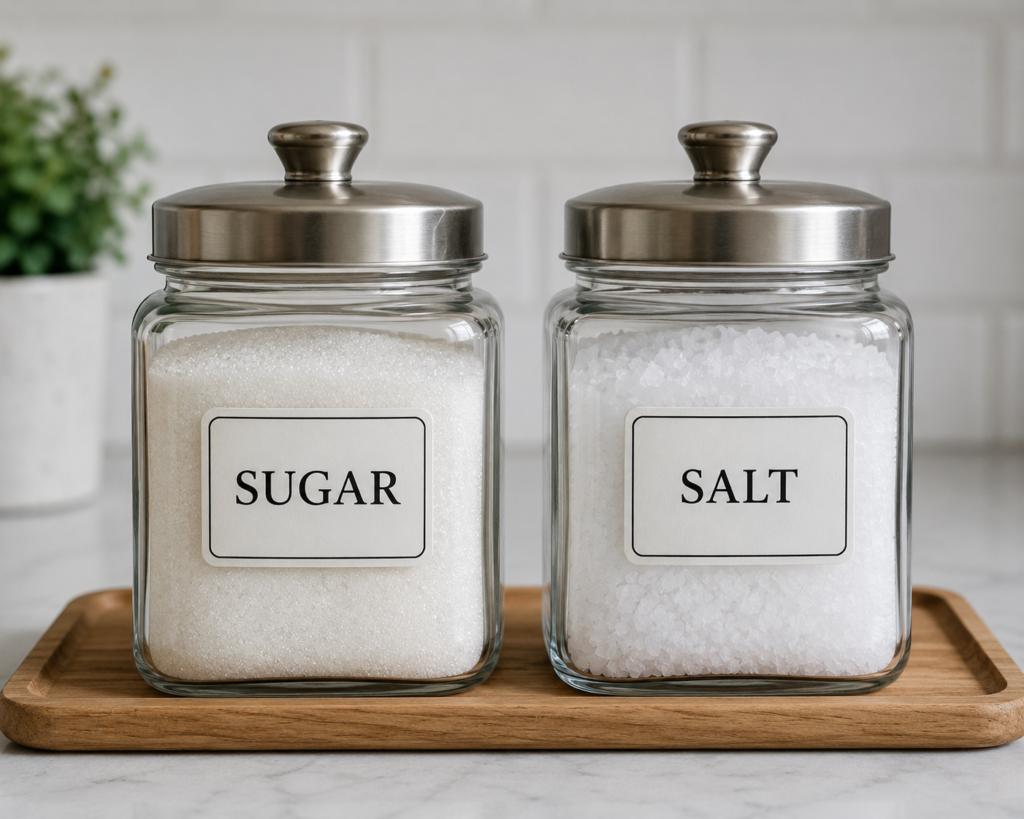
Salt and sugar are among the most commonly used ingredients in kitchens around the world. They enhance flavor, preserve foods, and improve texture, making them a staple in countless recipes and processed foods.
While both nutrients have important roles in the body, consuming them in excess can quietly increase the risk of several chronic diseases. Unfortunately, much of the sugar and sodium in modern diets comes from packaged and ultra-processed foods, making it easy to exceed recommended daily limits without realizing it.
Understanding how sugar and salt affect your body is the first step toward making healthier food choices and protecting your long-term well-being.
How Excess Salt Affects Your Body
Salt is the primary source of dietary sodium, an essential mineral that helps regulate fluid balance, supports nerve signaling, and enables normal muscle contraction.
However, when sodium intake consistently exceeds your body’s needs, it begins to affect multiple organs.
According to the World Health Organization (WHO), adults should consume less than 2,000 mg of sodium per day, equivalent to approximately 5 grams (one teaspoon) of salt.
Research Source: World Health Organization. Sodium Reduction
1. High Salt Intake Can Raise Blood Pressure
Excess sodium causes the body to retain water. This additional fluid increases blood volume, placing extra pressure on the walls of your arteries.
Over time, elevated blood pressure (hypertension) can significantly increase the risk of:
- Heart disease
- Stroke
- Heart failure
- Kidney disease
Reducing sodium intake is one of the simplest yet most effective ways to protect your health.
Research Insight: WHO estimates that lowering sodium intake can reduce blood pressure, decrease the risk of cardiovascular disease, and help prevent millions of premature deaths from cardiovascular disease each year.
2. Excess Sodium Places Stress on Your Kidneys
Your kidneys filter excess sodium from your bloodstream to maintain the body’s fluid balance.
When sodium intake remains high for prolonged periods, the kidneys must work harder to remove it. This added strain may contribute to:
- Reduced kidney function
- Kidney stones
- Chronic kidney disease
- Fluid retention
Maintaining a moderate sodium intake helps protect kidney health and supports normal blood pressure regulation.
Research shows that excessive sodium intake is linked to kidney disease and fluid imbalance disorders.
How Too Much Sugar Affects Your Health
Sugar is an important source of energy. However, modern diets often contain far more added sugar than the body requires.
The World Health Organization recommends limiting free sugars to less than 10% of total daily calories, with additional health benefits achieved by reducing intake below 5%.
Research Source: WHO – Healthy Diet Guidelines
1. Sugar and Liver Health
After digestion, sugar is broken down into glucose and fructose.
While glucose is readily used throughout the body for energy, fructose is primarily metabolized in the liver.
When fructose intake is excessive—particularly from sugar-sweetened beverages and processed foods—the liver converts the excess into fat.
Over time, this process may contribute to:
- Non-alcoholic fatty liver disease (NAFLD)
- Increased triglyceride levels
- Liver inflammation
- Metabolic dysfunction
Research has linked high fructose consumption with an increased risk of fatty liver disease.
Research Source: Dietary Fructose and Non-Alcoholic Fatty Liver Disease (PubMed)
2. Sugar and Insulin Resistance
Insulin helps move glucose from your bloodstream into cells, where it is used for energy.
Regular consumption of large amounts of added sugar may reduce your body’s sensitivity to insulin, a condition known as insulin resistance.
Insulin resistance increases the likelihood of developing:
- Type 2 diabetes
- Metabolic syndrome
- Obesity
- Cardiovascular disease
Several studies have shown that excessive fructose intake contributes to impaired insulin sensitivity.
Research Source: Fructose Consumption and Insulin Resistance (PubMed)
The Combined Effect of High Sugar and Salt Intake
Many processed foods contain both high amounts of sodium and added sugar.
Emerging research suggests this combination may have a greater negative effect than either nutrient alone.
A randomized clinical trial found that diets high in both fructose and sodium impaired kidney sodium handling and contributed to elevated blood pressure—even among healthy adults.
Research Source: High Fructose and Sodium Intake Study (NIH / PubMed Central)
Simple Ways to Reduce Sugar and Salt
Improving your diet doesn’t require dramatic changes. Small, consistent habits often produce the greatest long-term results.
Practical Tips
✔ Read nutrition labels before buying packaged foods.
✔ Choose fresh fruits instead of sugary desserts.
✔ Replace soft drinks with water or unsweetened beverages.
✔ Season meals with herbs, spices, garlic, lemon, or vinegar instead of extra salt.
✔ Prepare more meals at home to control ingredients.
✔ Limit processed snacks, instant noodles, processed meats, and packaged sauces.
✔ Gradually reduce sugar in coffee, tea, and homemade recipes.
- Sodium is essential, but too much can raise blood pressure and damage the kidneys.
- Excess added sugar contributes to fatty liver disease, insulin resistance, and metabolic disorders.
- Ultra-processed foods are often the biggest source of hidden sugar and sodium.
- Small dietary changes can significantly reduce your risk of chronic disease.
- Moderation—not complete elimination—is the key to long-term healthy eating.
Sugar and salt are not inherently unhealthy. In fact, both play important roles in normal body function. The problem arises when everyday eating habits lead to chronic overconsumption.
By reading food labels, choosing whole foods more often, and reducing reliance on processed products, you can lower your risk of heart disease, diabetes, kidney disease, and other chronic health conditions.
Healthy living isn’t about perfection—it’s about making informed choices consistently.
References:
- World Health Organization. (2023). Sodium reduction.
- World Health Organization. Healthy diet.
- Vos MB, et al. Dietary Fructose and Non-Alcoholic Fatty Liver Disease. PubMed.
- Fructose Consumption and Insulin Resistance. Fructose-Rich Diet Is a Risk Factor for Metabolic Syndrome. PubMed.
- National Institutes of Health. High Fructose and Sodium Intake Study. PubMed Central.