When it comes to eating healthier, most people focus on cutting calories or avoiding certain foods—but the real transformation often starts with something as simple as the grains on your plate. Whole grains and refined grains may look similar, but the impact they have on your energy, digestion, weight, and long-term health couldn’t be more different. Understanding the truth behind this everyday choice can empower you to build meals that nourish your body from the inside out.
Choosing the right grains can make a significant difference in your long-term wellness. While refined grains are common in everyday diets, research shows that whole grains offer far greater nutritional value and health protection. Understanding how grains are structured and how refining affects them can help you make smarter choices for a healthier lifestyle.
What Makes Whole Grains Superior?
A whole grain contains all three parts of the original seed—bran, germ, and endosperm. This keeps the grain rich in fiber, vitamins, minerals, antioxidants, and natural energy.
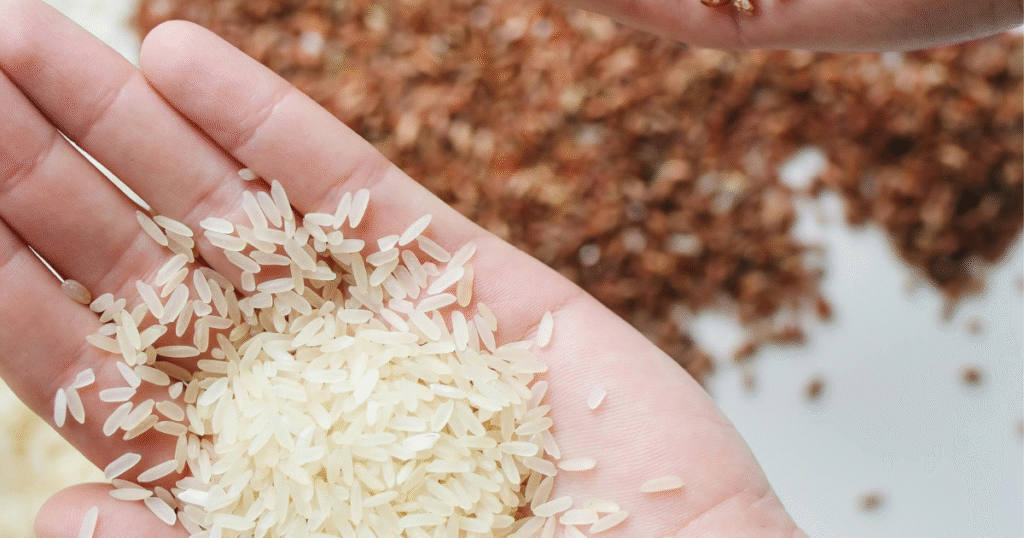
Refined grains lose the bran and germ during processing, stripping away most of the nutrients. Refined grains are processed for longer shelf life and softer texture. However, this process removes the most nutritious parts of the grain. What remains is primarily the starchy endosperm, which offers quick energy but very little nutritional benefit.
Even though some refined products are “enriched,” they still do not match the natural nutrient profile of whole grains.
Understanding the Three Parts of a Grain
1. Bran: The Fiber-Rich Outer Layer
Bran contains fiber, B vitamins, antioxidants, and minerals—nutrients essential for digestion and metabolic health.
2. Germ: The Nutrient-Dense Core
The germ provides vitamin E, B vitamins, healthy fats, antioxidants, and protein. It supports immunity and cell health.
3. Endosperm: The Energy Source
This part contains carbohydrates and protein but lacks the density of nutrients found in the bran and germ.
Together, these layers make whole grains a powerful source of balanced nutrition.
The Research-Backed Health Benefits of Whole Grains
1. Supports Heart Health
Whole grains may play an important role in protecting heart health. A review of 45 studies found that consuming about three servings (90 grams) of whole grains each day was associated with a 22% lower risk of heart disease and a 12% lower risk of stroke.
2. Reduces Type 2 Diabetes Risk
Research suggests that regularly choosing whole grains over refined grains may significantly reduce the risk of type 2 diabetes. Foods such as oats, brown rice, and whole wheat bread are rich in fiber and nutrients that support healthy blood sugar levels and overall metabolic health.
3. Better Digestion & Weight Management
People who eat more whole grains tend to maintain a healthier body weight. The fiber in whole grains helps increase feelings of fullness, which may reduce overall calorie intake and support healthy weight management [PubMed]
4. Lower Mortality & Disease Risk
A large meta-analysis found that higher whole grain intake is associated with a lower risk of coronary heart disease, cardiovascular disease, several types of cancer, type 2 diabetes, and premature death from various causes. These findings reinforce current dietary recommendations to include more whole grains as part of a healthy eating pattern.
Choosing the Right Whole Grain Products
Not all grain-based foods labeled “wheat” or “multigrain” are truly whole grain. To make the best choices:
- Look for “whole grain” or “whole wheat” as the first ingredient.
- Avoid misleading terms like made with whole grains.
- Choose foods like oats, quinoa, barley, brown rice, whole wheat pasta, and whole grain breads.
These small, intentional swaps can significantly improve your diet over time.
Start Adding Whole Grains to Your Menu Today
Whole grains are versatile, delicious, and easy to incorporate at every meal. From breakfast bowls to hearty dinners, they provide fiber, sustained energy, and long-term health benefits.
By choosing whole grains over refined grains, you’re making a simple yet powerful change that supports heart health, blood sugar balance, digestion, longevity, and overall wellness—backed by strong research.