In a world filled with convenience foods and fast-paced routines, clean eating has become more than a diet trend, but a sustainable lifestyle choice. Clean eating focuses on consuming whole, minimally processed foods that nourish the body and support long-term wellness.
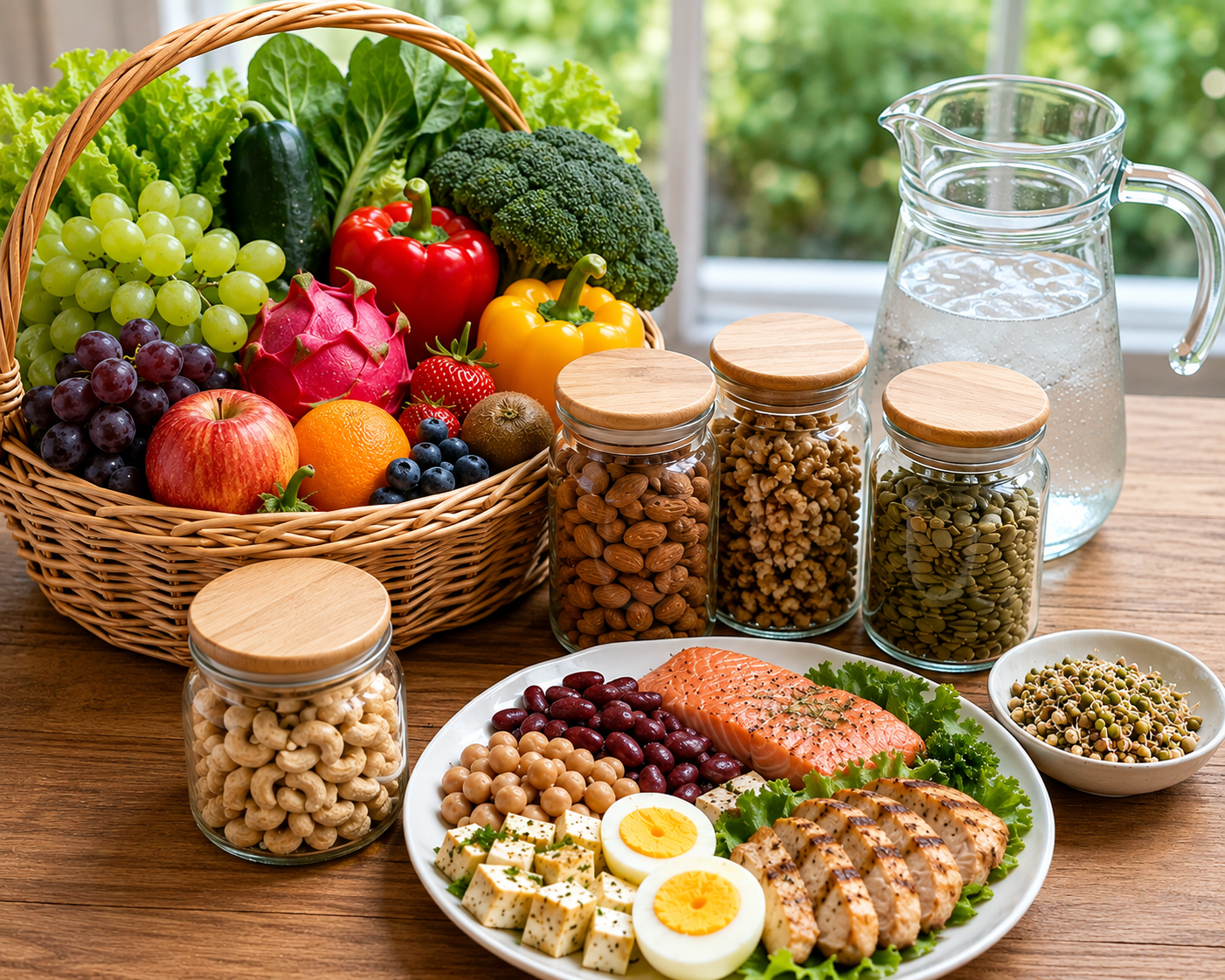
Instead of relying on packaged meals, refined sugars, and artificial additives, clean eating encourages fresh vegetables, fruits, whole grains, nuts, legumes, and healthy fats. These foods provide essential nutrients that help the body function efficiently and prevent chronic diseases.
Let’s explore why adopting a clean eating lifestyle can transform your health and energy levels.
What Is Clean Eating?
Clean eating means choosing foods that are as close to their natural state as possible. This includes:
- Fresh fruits and vegetables
- Whole grains
- Nuts and seeds
- Lean proteins
- Healthy fats
- Plenty of water
At its core, clean eating is about quality nutrition rather than restriction.
The concept gained mainstream popularity after the publication of The Eat-Clean Diet by Tosca Reno, but the philosophy itself is rooted in traditional nutrition principles that emphasize whole foods.
Why Clean Eating Is Important for a Healthier Life?
1. Clean Eating Supports Heart Health
Whole foods play a powerful role in protecting cardiovascular health. For example:
- Nuts provide healthy fats and fiber.
- Whole grains help regulate cholesterol.
- Fruits and vegetables contain antioxidants that reduce inflammation.
Research shows that higher whole-grain intake is linked to reduced cardiovascular disease risk and lower mortality rates.
Another long-term study found that people who consumed three servings of whole grains daily experienced better blood pressure, cholesterol, and blood sugar control.
Fiber-rich foods such as oats, beans, and brown rice are especially beneficial for heart health.
2. Reduces Risk of Type 2 Diabetes
Highly processed foods and added sugars can contribute to insulin resistance, a key factor in the development of type 2 diabetes.
Ultra-processed foods are increasingly associated with obesity, cardiovascular disease, and diabetes due to poor nutritional quality [BMJ].
Whole-food diets rich in fiber, fruits, and vegetables can improve metabolic health and help regulate blood sugar levels over time.
Limiting sugary drinks, packaged snacks, and refined carbohydrates is one of the most effective ways to support long-term metabolic wellness.
3. Provides Stable Energy Throughout the Day
Processed foods often cause rapid spikes and crashes in blood sugar, leaving you feeling tired and hungry again quickly.
Whole foods digest more slowly, providing steady, sustained energy. Fiber-rich grains like oats and quinoa help stabilize blood sugar levels and support energy metabolism.
This is why many people who switch to clean eating report improved focus, reduced fatigue, and better mood stability.
4. Encourages Better Food Choices and Variety
Clean eating naturally encourages you to:
- Cook more meals at home
- Experiment with new recipes
- Eat seasonal and local foods
- Become more mindful about nutrition
Instead of limiting your diet, clean eating expands your food choices by introducing nutrient-dense ingredients and cooking methods.
Even small changes — like replacing refined grains with whole grains — can significantly improve long-term health outcomes.
5. Helps Prevent Chronic Diseases
A diet centered on whole foods has been linked to lower risks of:
- Heart disease
- Stroke
- Type 2 diabetes
- Obesity
- Metabolic syndrome
Large population studies show that higher whole-grain consumption is associated with reduced risk of chronic disease and improved longevity.
Clean eating works because it focuses on nutrient density instead of empty calories.
Simple Tips to Start Eating Clean
You don’t need to change everything overnight. Start with small, consistent steps:
- Choose whole foods more often
- Replace white rice with brown rice
- Choose fresh fruit instead of candy
- Eat nuts instead of packaged snacks
1.Read food labels
Look for short ingredient lists with recognizable foods.
1. Drink more water
Aim for about 2 litres daily, depending on your activity level.
2. Reduce added sugar
Limit soda, processed desserts, and sugary drinks.
3. Shop the produce aisle first
Fill your cart with fresh ingredients before buying packaged foods.
Clean eating is not about perfection — it’s about making better food choices consistently. By focusing on whole, nutrient-rich foods and reducing processed products, you can improve your energy, protect your heart, and lower the risk of chronic disease.
Think of clean eating as fueling your body with real nutrition rather than empty calories. Over time, these small daily choices can lead to meaningful improvements in your overall wellness.
References
- BMJ – Whole Grain Consumption and Risk of Cardiovascular Disease, Cancer, and All-Cause Mortality (Systematic Review & Meta-analysis)
- PubMed – Whole Grain Intake and Mortality From All Causes, Cardiovascular Disease, and Cancer (Harvard Meta-analysis)
- PubMed – Whole Grain Consumption and Risk of Cardiovascular Disease, Cancer and Mortality