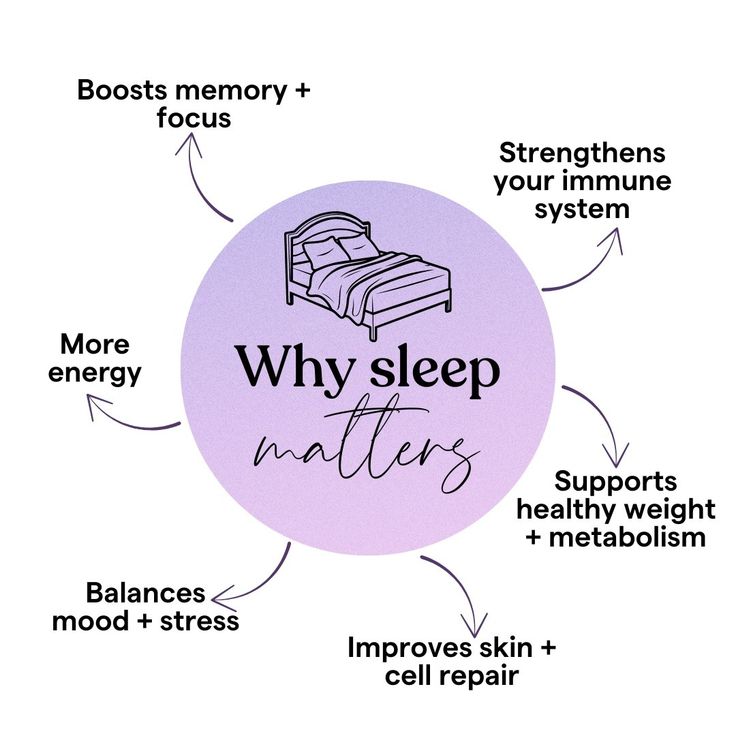
In the wellness world, we often focus on diet, exercise, and stress management—but one foundational pillar of health is too often overlooked is sleep. Today,sleep is often the first thing we sacrifice—yet it remains one of the most powerful foundations of health. A consistent sleep schedule does far more than prevent fatigue; it plays a vital role in regulating immunity, hormonal balance, mental clarity, and long-term well-being.
Not just how long you sleep, but when you sleep matters deeply for your immune function and overall health. A consistent sleep schedule helps align your body’s internal clock, supports immune regulation, and enhances your body’s ability to heal and defend itself.
Research increasingly shows that irregular sleep patterns can weaken immune defenses, increase inflammation, and leave the body more vulnerable to illness.
Establishing a better sleep schedule is not about rigid rules or perfection—it’s about working in harmony with your body’s natural rhythms to support healing, resilience, and overall health.
How Sleep Supports Your Immune System
Sleep plays a central role in immune function. According to research reviewed by the National Institutes of Health, getting good quality sleep supports the normal production and programming of hematopoietic stem cells—key players in your innate immune system. Sleep impacts the environment in bone marrow where immune cells develop, reducing inflammatory burden and enhancing immune readiness.
Moreover, studies in immunology show that normal sleep and circadian rhythms directly influence immune parameters such as T cell production and cytokine release. These immune cells and chemical messengers are essential for recognizing and responding to pathogens.
When you maintain a consistent sleep schedule, your body strengthens its ability to remember infectious threats and respond effectively. Experimental sleep deprivation has been linked to a reduction in vital immune signaling and a weakened ability to fight infections.
Why Timing Matters as Much as Duration
It’s not just about getting enough hours of sleep. Your body runs on a 24-hour circadian rhythm—a master internal clock that regulates immune activity, hormone release, digestion, and even body temperature. Disruption of this rhythm, such as irregular sleep patterns or inconsistent bedtimes, can dysregulate immune responses and increase inflammation.
Circadian patterns influence daily immune responses, with fluctuations in immune cell counts and inflammation throughout the day. Aligning your sleep and wake times with natural light cycles helps synchronize these physiological processes for optimal immune performance.
Research also suggests regular sleep may strengthen responses to vaccines and reduce susceptibility to viral infections. For instance, sleep duration and circadian timing have been shown to affect antibody production after vaccination, indicating that sleep quality and consistency may enhance immune memory.
Small Changes, Big Health Benefits
Establishing a better sleep schedule doesn’t require perfection—just consistency. Start by setting firm sleep and wake times, even on weekends. Avoid screens and bright lights before bedtime, and create a calming night routine. Exposure to morning sunlight can also help reset your internal clock and promote healthy sleep cycles.
Equally important is limiting caffeine and heavy meals close to bedtime, and choosing a cool, dark sleeping environment. Over time, these small changes support a stronger immune system and improve metabolic, hormonal, and psychological balance.
Prioritize Sleep for Lifelong Health
Sleep isn’t a luxury—it’s an essential biological process that supports immune health, cognitive function, and overall resilience. A better sleep schedule strengthens your body’s defense system, improves daily functioning, and helps you navigate stress with greater ease.
By prioritizing consistent rest and aligning your lifestyle with your body’s natural rhythms, you’re investing in lasting health and wellbeing.
A better sleep schedule is one of the simplest yet most profound self-care practices you can adopt for stronger immunity and lasting health. By prioritizing regular sleep and wake times, creating supportive nighttime habits, and listening to your body’s signals, you allow essential restorative processes to unfold naturally.
Over time, these small, consistent changes can enhance immune function, improve energy levels, and promote a deeper sense of balance and vitality.
True wellness isn’t built overnight—but when you honor sleep as a non-negotiable pillar of health, your body responds with strength, clarity, and renewed resilience.
Sleep deeply, sleep regularly, and let your immune system thrive.