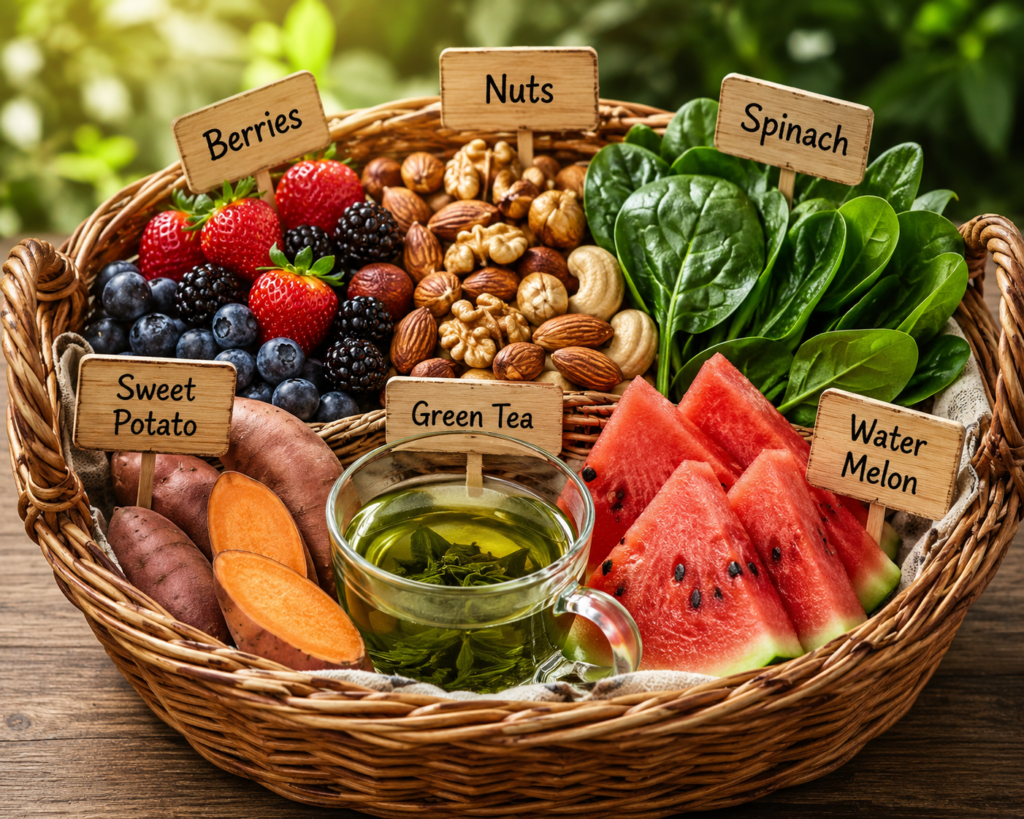
What you eat every day plays a major role in determining how your skin ages, heals, and glows. While moisturizers and serums protect the skin from the outside, nutrition works from within by supplying the vitamins, antioxidants, healthy fats, and plant compounds that your skin cells need to stay healthy.
Research over the past few decades has shown that a nutrient-rich diet can help reduce oxidative stress, protect against premature aging, improve skin elasticity, and support the skin’s natural repair processes.
Below are six research-backed anti-aging foods that can help nourish your skin naturally while supporting your overall health.
Why Does Skin Age?
Skin aging is a natural biological process, but several lifestyle and environmental factors can accelerate it.
Some of the most common causes include:
- Poor nutrition
- Excessive sun exposure
- Smoking
- Sleep deprivation
- Chronic stress
- Environmental pollution
- Physical inactivity
One of the major contributors to premature skin aging is oxidative stress.
During normal metabolism, our bodies produce molecules known as free radicals. When free radicals accumulate beyond the body’s antioxidant defenses, they damage collagen, elastin, DNA, and skin cells.
This process contributes to:
- Fine lines and wrinkles
- Loss of skin elasticity
- Uneven skin tone
- Pigmentation
- Dryness
- Dull complexion
Fortunately, the body has natural antioxidant defense systems. However, these defenses are strengthened when we consume foods rich in vitamins, minerals, carotenoids, flavonoids, polyphenols, and healthy fats.
Research suggests that vitamins A, C, D, E, omega-3 fatty acids, carotenoids, flavonoids, tocopherols, and high-quality proteins all contribute to healthier skin and may help slow visible signs of aging.
Nutrition: The Foundation of Healthy Skin
Healthy skin reflects overall health.
A balanced diet rich in colorful fruits, vegetables, nuts, seeds, healthy fats, and adequate protein supplies nutrients that help:
- Protect collagen
- Improve skin hydration
- Reduce inflammation
- Neutralize oxidative stress
- Support skin repair
- Promote a brighter complexion
When combined with regular exercise, good sleep, stress management, and sun protection, healthy eating becomes one of the most effective long-term strategies for maintaining youthful-looking skin.
1. Berries – Nature’s Antioxidant Powerhouse
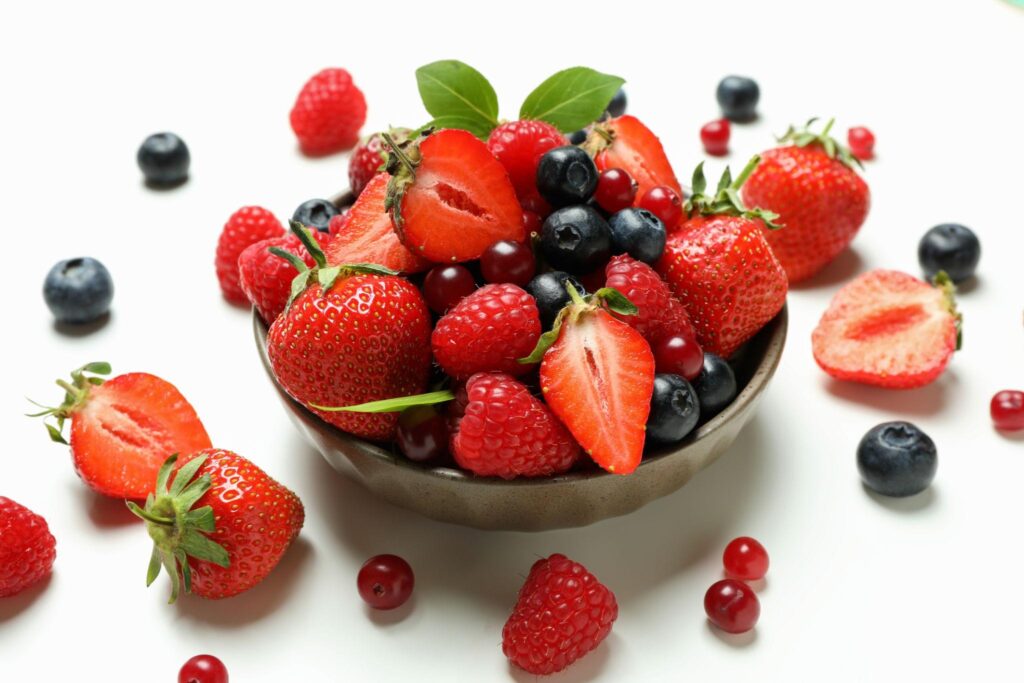
Blueberries, strawberries, raspberries, and cranberries are among the richest dietary sources of antioxidants.
These colorful fruits contain numerous phytochemicals including:
- Anthocyanins
- Flavonoids
- Phenolic acids
- Tannins
- Stilbenes
Research suggests these compounds help combat oxidative stress, reduce inflammation, and support healthy aging.
Berry polyphenols may also protect collagen fibers from oxidative damage, helping maintain skin firmness and elasticity.
Benefits for your skin
- Helps fight free radical damage
- Supports collagen protection
- Promotes healthy skin aging
- May reduce inflammation
Research Source: Berries: Improving Human Health and Healthy Aging
2. Nuts – Healthy Fats for Youthful Skin
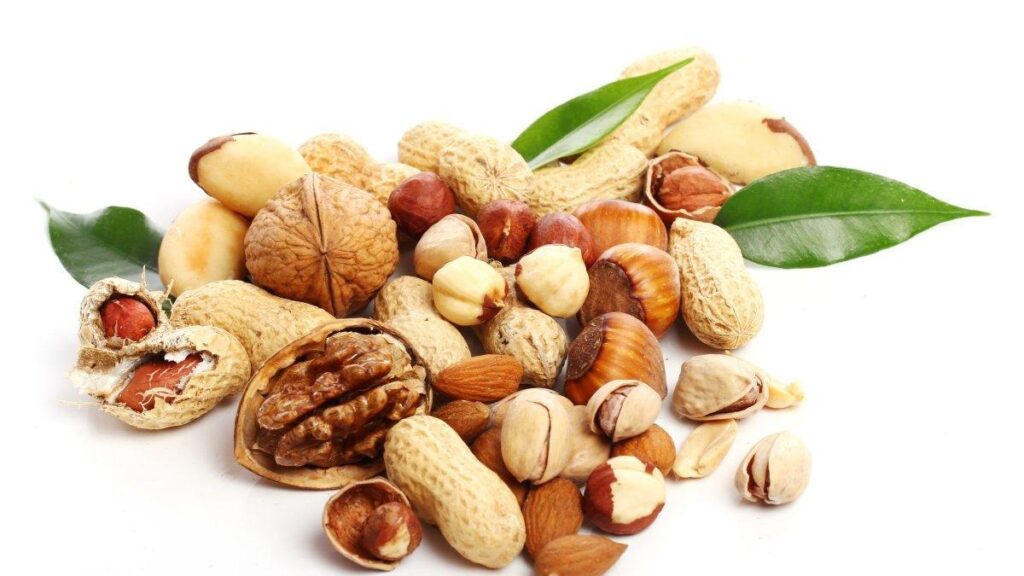
Tree nuts and peanuts provide an excellent combination of healthy fats, antioxidants, vitamin E, minerals, and plant bioactive compounds.
Scientific studies indicate that regular nut consumption is associated with healthier aging and improved cardiometabolic health.
The healthy fats found in nuts help maintain the skin’s natural barrier, reducing moisture loss while supporting smooth, supple skin.
Vitamin E also protects skin cells from oxidative damage caused by ultraviolet radiation and environmental pollutants.
Best choices
- Almonds
- Walnuts
- Pistachios
- Pecans
- Hazelnuts
Skin benefits
- Supports skin hydration
- Protects cell membranes
- Provides antioxidant protection
- Helps reduce inflammation
Research Source: Health Benefits of Nut Consumption in Middle-Aged and Elderly Population
3. Spinach – A Lutein-Rich Green for Healthy Skin
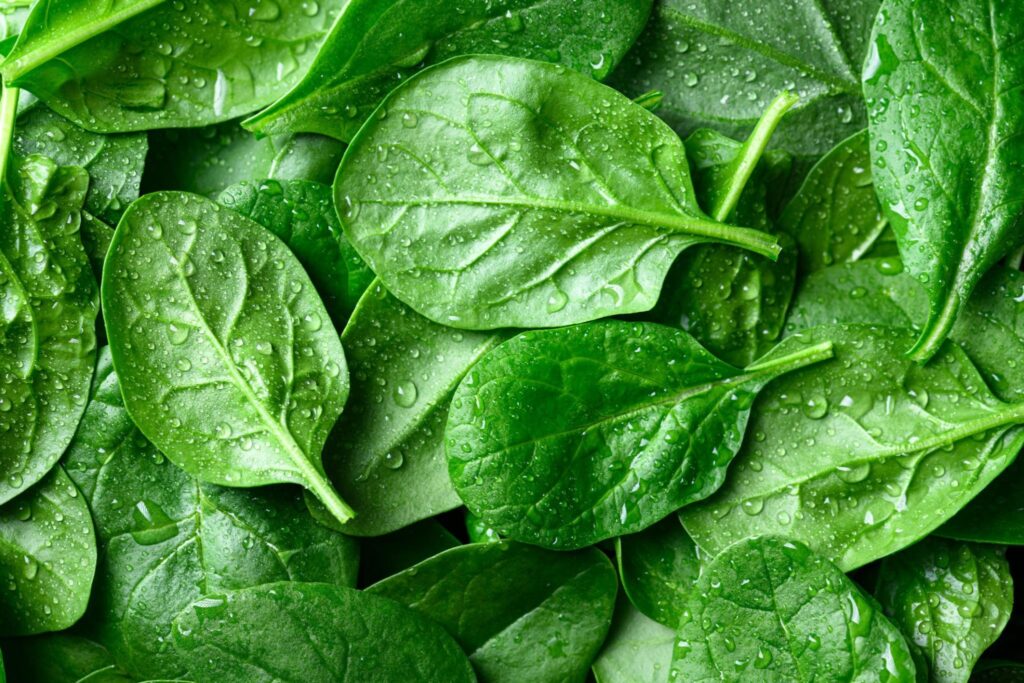
Spinach is one of the most nutrient-dense leafy vegetables.
It contains:
- Lutein
- Vitamin C
- Vitamin A
- Folate
- Iron
- Plant antioxidants
Lutein has attracted significant scientific interest because of its photoprotective and antioxidant properties.
Studies suggest lutein helps:
- Improve skin hydration
- Enhance elasticity
- Reduce oxidative damage
- Protect against UV-induced skin aging
Adding spinach regularly to meals may contribute to healthier, more resilient skin.
Research Source: Composition, Efficacy, and Safety of Spinach Extracts
4. Sweet Potatoes – Rich in Beta-Carotene
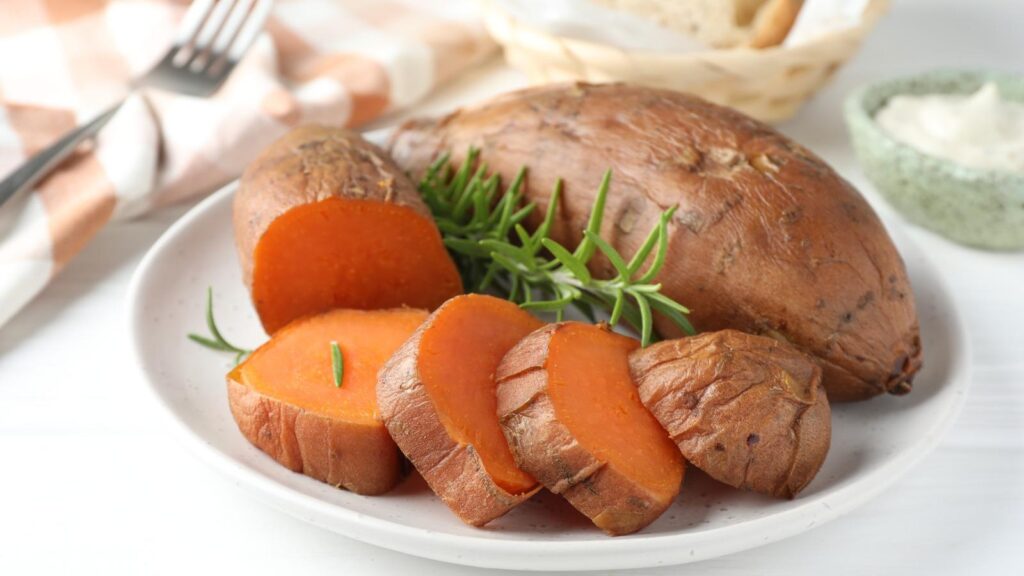
Sweet potatoes are packed with nutrients that benefit both general health and skin health.
They contain:
- Beta-carotene
- Carotenoids
- Phenolic compounds
- Anthocyanins
- Vitamins
- Minerals
- Dietary fiber
Beta-carotene is converted into vitamin A, an essential nutrient involved in skin cell growth and repair.
Research also highlights the antioxidant, anti-inflammatory, and anti-aging properties of sweet potatoes.
Skin benefits
- Supports healthy skin renewal
- Helps protect against oxidative damage
- Promotes an even complexion
Research Source: Chemical Constituents and Health Effects of Sweet Potato
5. Green Tea – A Cup Full of Protective Polyphenols
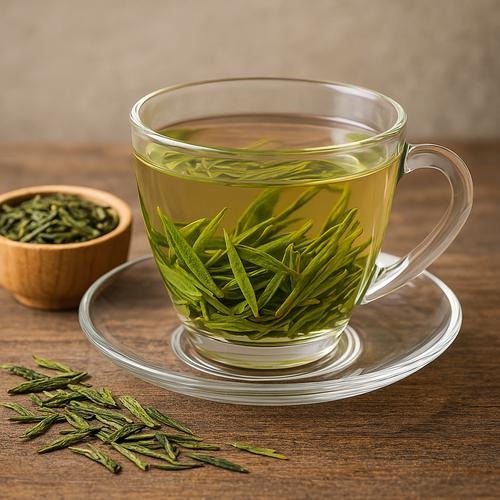
Green tea is one of the world’s most researched functional beverages.
Unlike black tea, green tea undergoes minimal fermentation, preserving high levels of beneficial polyphenols.
Its primary active compounds include:
- Catechins
- Epigallocatechin gallate (EGCG)
- Flavonols
- Theanine
These compounds possess powerful antioxidant and anti-inflammatory effects.
Research indicates green tea may help reduce UV-induced skin damage and support healthier aging.
Benefits
- Helps protect against photoaging
- Reduces oxidative stress
- Supports skin repair
- May improve overall skin quality
Research Source: The Role of Green Tea in Antiphotoaging and Neuroprotection
6. Watermelon – Hydration Plus Lycopene
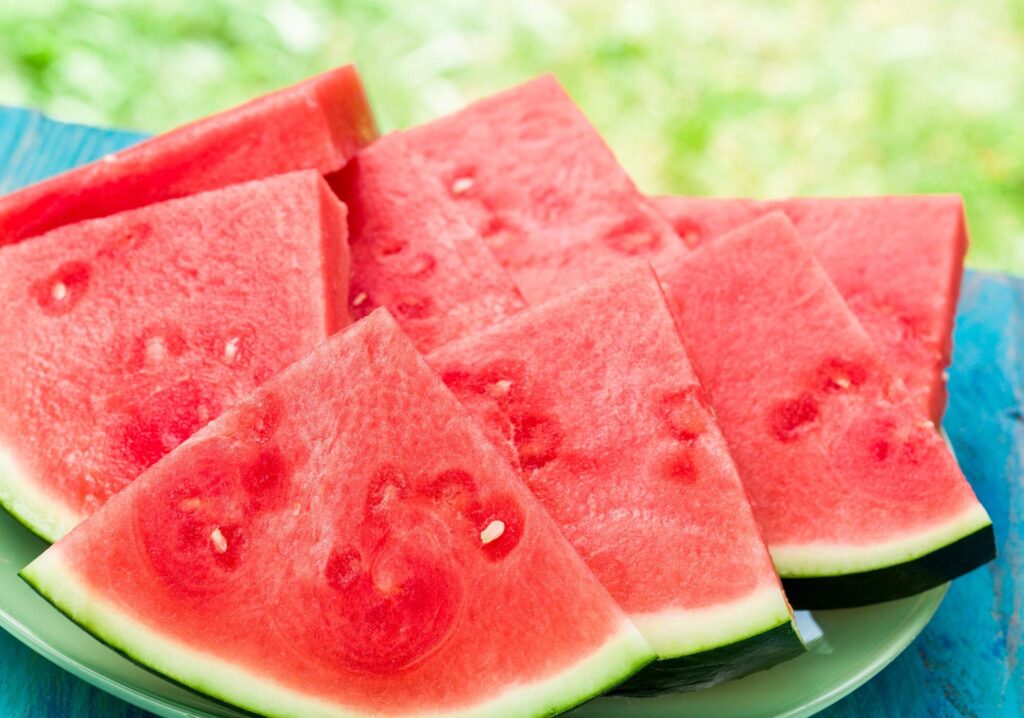
Watermelon is more than just a refreshing summer fruit.
It provides:
- Vitamin C
- Lycopene
- Beta-carotene
- Water
- Antioxidants
Lycopene is a potent carotenoid that helps neutralize free radicals generated by oxidative stress.
Its high water content also contributes to skin hydration, which is essential for maintaining softness and elasticity.
Skin benefits
- Supports hydration
- Provides antioxidant protection
- Helps maintain healthy skin appearance
Research Source: Watermelon Juice: A Novel Functional Food to Increase Circulating Lycopene in Older Adult Women
Lifestyle Habits That Support Healthy, Youthful Skin
No single food can stop aging. Instead, healthy skin results from consistent lifestyle habits.
For the best long-term results:
- Eat a colorful, antioxidant-rich diet.
- Include healthy fats and adequate protein.
- Stay physically active.
- Sleep 7–9 hours each night.
- Drink enough water.
- Avoid smoking.
- Limit excessive alcohol intake.
- Protect your skin from excessive sun exposure by using sunscreen and protective clothing.
- Practice stress management through activities such as yoga, meditation, or deep breathing.
Together, these habits help reduce oxidative stress and support the skin’s natural repair mechanisms.
Research suggests that foods rich in antioxidants, carotenoids, polyphenols, healthy fats, and essential vitamins may help protect the skin from oxidative damage associated with aging.
Rather than relying solely on topical skincare products, nourish your skin from the inside out with a nutrient-rich diet and a healthy lifestyle. Including berries, nuts, spinach, sweet potatoes, green tea, and watermelon as part of a balanced diet can support healthier skin while also benefiting heart health, brain function, metabolism, and overall well-being.
References
- Schagen SK, Zampeli VA, Makrantonaki E, Zouboulis CC. Discovering the Link Between Nutrition and Skin Aging. Skin Therapy Letter / National Center for Biotechnology Information (NCBI).
- Paredes-López O, Cervantes-Ceja ML, Vigna-Pérez M, Hernández-Pérez T. Berries: Improving Human Health and Healthy Aging, and Promoting Quality of Life
- Rusu ME, Mocan A, Ferreira ICFR, Popa DS. Health Benefits of Nut Consumption in Middle-Aged and Elderly Population.
- Lomnitski L, Bergman M, Nyska A, Ben-Shaul V, Grossman S. Composition, Efficacy, and Safety of Spinach Extracts.
- Wang S, Nie S, Zhu F. Chemical Constituents and Health Effects of Sweet Potato.
- Prasanth MI, Sivamaruthi BS, Chaiyasut C, Tencomnao T. A Review of the Role of Green Tea (Camellia sinensis) in Antiphotoaging, Stress Resistance, Neuroprotection, and Autophagy.
- Ellis AC, Dudenbostel T, Crowe-White K. Watermelon Juice: A Novel Functional Food to Increase Circulating Lycopene in Older Adult Women.