
High blood cholesterol is often called a silent threat and it doesn’t cause obvious symptoms. But it can quietly damage your arteries for years before you ever feel a warning sign. Many people assume cholesterol is simply “bad,” but the truth is more complex. Your body actually needs cholesterol to function. The danger begins when the balance between good and bad cholesterol is disrupted.
So how does high blood cholesterol become harmful? What causes it to rise? And more importantly, what can you do to lower your risk naturally?
Here’s a breakdown of the science behind cholesterol levels, the real risk factors, and practical lifestyle strategies to protect your heart and long-term health.
What Is Cholesterol?
Cholesterol is a wax-like, fat-based substance found in every cell of the body. It plays a crucial role in:
- Building and protecting cell membranes
- Producing hormones such as estrogen and testosterone
- Aiding vitamin D synthesis
- Supporting nerve function
Your body gets cholesterol from two sources:
- Endogenous cholesterol – produced naturally by the liver
- Dietary cholesterol – obtained from foods you eat, especially animal-based products
Cholesterol itself is not harmful. It becomes dangerous only when excess amounts circulate in the bloodstream.
Good Cholesterol vs. Bad Cholesterol
Cholesterol travels through the blood attached to proteins called lipoproteins. The two main types are:
LDL (Low-Density Lipoprotein) – Bad Cholesterol
- Carries cholesterol from the liver to tissues
- Excess LDL deposits cholesterol along artery walls
- Leads to plaque buildup, narrowing arteries (atherosclerosis)
HDL (High-Density Lipoprotein) – Good Cholesterol
- Removes excess cholesterol from arteries
- Transports it back to the liver for elimination
- Helps protect against heart disease
For optimal health, LDL levels should be low and HDL levels should be high.
When Does Cholesterol Become Dangerous?
High blood cholesterol becomes dangerous when excess LDL accumulates in artery walls, restricting blood flow. Over time, this can lead to:
- Angina (chest pain)
- Coronary heart disease
- Heart attack
- Stroke
- Gallstones, due to cholesterol imbalance in bile
According to research published in The New England Journal of Medicine, elevated LDL cholesterol is a major independent risk factor for cardiovascular disease.
Risk Factors for High Blood Cholesterol
While high blood cholesterol can sometimes be inherited (a condition known as familial hypercholesterolemia), in most cases it develops due to lifestyle habits and metabolic conditions. Understanding these risk factors can help you take preventive action early.
1. Genetic Factors
Some individuals inherit a tendency to produce excess cholesterol from their parents. This condition, called familial hypercholesterolemia, can cause dangerously high LDL cholesterol levels even in young adults. If you have a family history of early heart disease, regular cholesterol screening is essential.
Behavioural Risk Factors
Lifestyle plays a powerful role in determining your cholesterol levels. Small daily habits can either protect your heart or gradually increase your risk.
2. Unhealthy Diet
A diet high in saturated fats (commonly found in fatty meats, butter, and full-fat dairy) and trans fats (present in many processed and packaged foods) significantly raises LDL cholesterol.
Excess intake of refined carbohydrates, sugar, and starch can also increase triglyceride levels — another important marker linked to heart disease.
According to research published by the American Heart Association, reducing saturated fat intake can lower LDL cholesterol and decrease cardiovascular risk.
3. Physical Inactivity
A sedentary lifestyle negatively affects cholesterol balance. Physical inactivity is associated with higher levels of non-HDL cholesterol (the total cholesterol minus HDL).
Regular exercise helps:
- Lower LDL cholesterol
- Raise HDL (good cholesterol)
- Improve triglyceride levels
- Support overall heart health
Even 30 minutes of moderate exercise like brisk walking, cycling, or yoga most days of the week can make a measurable difference.
4. Smoking
Smoking damages the inner lining of blood vessels, making them more vulnerable to fatty plaque buildup. Smokers are 2–4 times more likely to develop heart disease compared to non-smokers.
The good news? Quitting smoking often leads to an increase in HDL (good cholesterol) and significantly reduces cardiovascular risk within months.
5. Metabolic Conditions
Conditions such as:
- Type 2 diabetes
- Obesity
- Metabolic syndrome
can disrupt lipid metabolism, leading to higher LDL cholesterol and triglyceride levels. Managing blood sugar levels and maintaining a healthy weight are essential for cholesterol control.
The Role of High-Fat Diets
The risk increases significantly when a diet high in unhealthy fats is consumed regularly. Saturated fats and trans fats raise LDL cholesterol levels while lowering protective HDL cholesterol.
Studies conducted at the Harvard School of Public Health show that diets rich in saturated fats are strongly associated with higher cholesterol levels and increased cardiovascular risk.
Doctors and nutrition experts consistently recommend limiting high-fat diets as a preventive measure against cholesterol-related health issues.
What Are Fats?
Fats are one of the three major macronutrients (along with carbohydrates and proteins). They serve important functions such as:
- Energy storage
- Hormone production
- Thermal insulation
- Protection of vital organs
In nutrition, fats consist mainly of fatty acids and triglycerides, commonly referred to as lipids. While healthy fats are essential, excessive intake of unhealthy fats disrupts cholesterol balance.
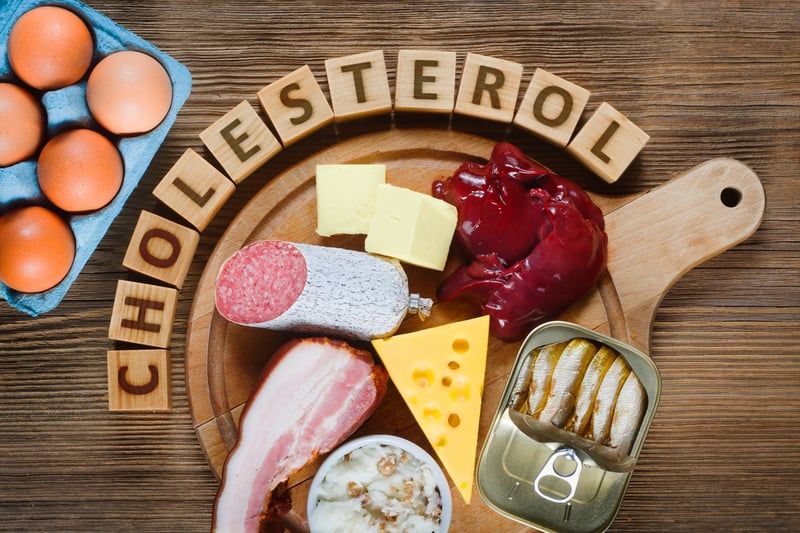
Foods High in Cholesterol and Unhealthy Fats
Some foods that can raise cholesterol levels include:
- High-fat dairy products
- Egg yolks
- Red meat and organ meats
- Deep-fried foods
- Baked goods like cookies, muffins, and pastries
- Processed foods made with palm oil or cocoa butter
Tips to Lower Cholesterol Through Diet Changes
You don’t need to eliminate your favorite foods entirely. Smart dietary choices make all the difference.
Simple, Effective Strategies:
- Choose lean proteins such as legumes, fish, and skinless chicken
- Increase dietary fiber from whole grains, fruits, and vegetables
- Replace fried foods with grilled, baked, boiled, or steamed options
- Reduce added sugars
- Avoid fast foods and ultra-processed packaged foods
- Exercise regularly to boost HDL cholesterol
Research confirms that high-fiber diets significantly reduce LDL cholesterol levels.
High blood cholesterol doesn’t happen overnight—and neither does heart disease. The danger lies in long-term lifestyle choices. A balanced diet, mindful fat intake, regular physical activity, and adequate fiber consumption can go a long way in maintaining healthy cholesterol levels.
High blood cholesterol rarely has symptoms — which is why it’s often called a “silent” risk factor. However, by addressing lifestyle habits like diet, exercise, and smoking, you can significantly reduce your risk of heart disease and stroke.
Prevention is always more powerful than cure. Small, consistent lifestyle changes today can protect your heart for years to come. True health is built through informed choices, not extreme restrictions. Practice moderation, choose wisely.
Research and references:
1.The New England Journal of Medicine: Lipid Management for the Prevention of Atherosclerotic Cardiovascular Disease https://www.nejm.org/doi/full/10.1056/NEJMra1806939
2. American Heart Association: Saturated Fats https://www.heart.org/en/healthy-living/healthy-eating/eat-smart/fats/saturated-fats
3. Harward TH.CHAN; The Nutrition Source: Fats and Cholesterol https://nutritionsource.hsph.harvard.edu/what-should-you-eat/fats-and-cholesterol/
4. Research Gate: The Effect of Fiber Intake on Blood Lipid Profile: A Mini Meta-analysis https://www.researchgate.net/publication/382038223_The_Effect_of_Fiber_Intake_on_Blood_Lipid_Profile_A_Mini_Meta-analysis