In today’s fast-paced world, our bodies are constantly exposed to stress, pollution, poor diet choices, and internal chemical reactions that generate free radicals. These unstable molecules can damage healthy cells, accelerate aging, and increase the risk of chronic diseases.
This is where antioxidants play a powerful protective role.
Antioxidants are compounds that neutralize free radicals, helping the body maintain cellular health, vitality, and long-term wellness. Since different antioxidants target different free radicals, consuming a wide variety of antioxidant-rich foods is essential for optimal health.
Why Antioxidants Matter
Free radicals are produced naturally during metabolism, but factors such as pollution, smoking, processed foods, and stress increase their levels. Over time, oxidative stress caused by excess free radicals has been linked to conditions such as heart disease, diabetes, inflammation, and premature aging.
A diet rich in antioxidants helps:
- Protect cells from oxidative damage
- Support immune function
- Promote healthy aging
- Reduce inflammation
- Improve overall vitality
Vitamin C: A Powerful Antioxidant
Vitamin C is one of the most well-researched antioxidant vitamins. It supports immune health, skin repair, and collagen formation while protecting cells from oxidative damage.
Top Vitamin C–rich foods include:
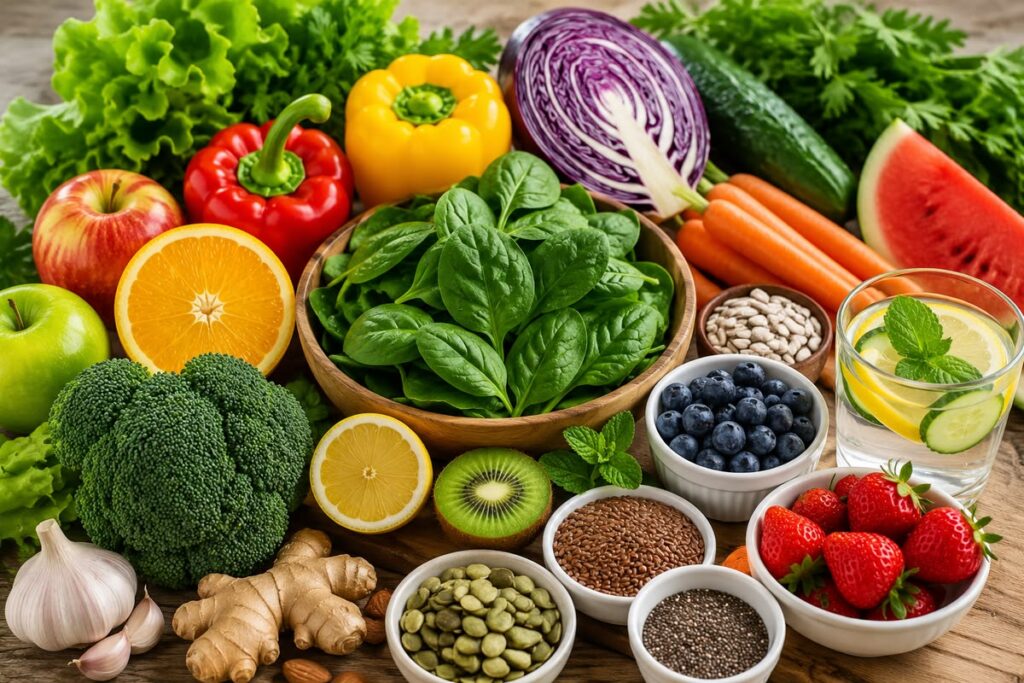
- Oranges, lemons, and grapefruits
- Cantaloupe
- Broccoli
- Bell peppers
- Spinach and other leafy greens
Research from the National Institutes of Health (NIH) highlights Vitamin C’s role in protecting cells from oxidative stress:
Beta-Carotene and Carotenoids
Beta-carotene, a precursor to Vitamin A, is another powerful antioxidant known for supporting eye health, skin health, and immune function.
Rich sources include:
- Carrots
- Sweet potatoes
- Pumpkin
- Dark leafy greens
According to research published by the NIH, carotenoids act as antioxidants and support cellular protection:
Garlic: More Than Just Flavor
Garlic is widely recognized not only for its antioxidant capacity but also for its antibacterial and immune-boosting properties. Compounds such as allicin help reduce oxidative stress and may support heart health.
Studies published in PubMed Central indicate that garlic exhibits antioxidant and anti-inflammatory effects
Berries: Nature’s Antioxidant Superstars Teas: Antioxidant Drinks
Berries are among the richest natural sources of antioxidants, particularly polyphenols and flavonoids.
Top antioxidant berries include:
- Blueberries
- Strawberries
- Raspberries
- Blackberries
Research published in Advances in Nutrition confirms that berries help reduce oxidative stress and support heart and brain health.
Teas: Antioxidant Drinks
Green tea is well known for its antioxidants, but black tea, white tea, and herbal teas also contain beneficial polyphenols. Regular tea consumption has been linked to reduced oxidative stress and improved metabolic health. One of the main active compounds in tea, tea polyphenols, act as excellent antioxidants and is beneficial in preventing and curing a variety of diseases related to oxidative stress [study: Oxidative stress-induced diseases and tea polyphenols]
Antioxidants and Cooking: What You Should Know
While some nutrients can decrease during cooking, most antioxidant-rich foods retain enough protective compounds to remain beneficial. Interestingly, the antioxidant compounds in red grapes are still present in red wine, demonstrating that antioxidants can survive certain processing methods.
Moderation, however, remains key.
Antioxidant Drinks: Not Just Green Tea
Green tea is well known for its antioxidants, but black tea, white tea, and herbal teas also contain beneficial polyphenols. Regular tea consumption has been linked to reduced oxidative stress and improved metabolic health.
Whole Foods vs Supplements
While antioxidant supplements are widely available, most people can meet their antioxidant needs by consuming at least five servings of fruits and vegetables daily, especially foods like broccoli, spinach, berries, and citrus fruits.
For children, relying on whole foods instead of supplements helps build healthy dietary habits. As we age, supplementation may sometimes become necessary. For example:
- Vitamin B12 absorption may decrease with age
- Vitamin D levels often decline due to reduced sun exposure
Blood tests guided by a healthcare professional can help determine if supplementation is needed.
A diet rich in diverse, colorful, antioxidant-packed foods is one of the simplest and most effective ways to protect your health naturally. By choosing whole fruits, vegetables, herbs, and teas, you give your body the tools it needs to fight oxidative stress and support long-term wellness.