
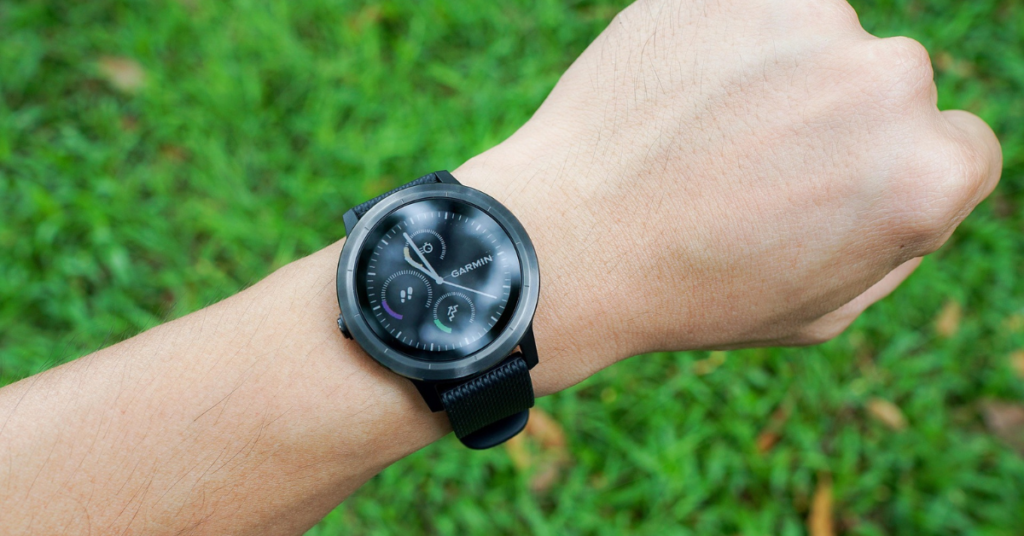
Fitness trackers have quickly become a staple in the wellness world. From Fitbit and Garmin to smartwatches and health bands, these devices are now worn as much for style as for self-care. But beyond step counts and sleek designs, an important question remains: can a fitness tracker actually help you lose weight?
Let’s explore how fitness trackers support weight loss, where they fall short, and how to use them wisely for long-term wellness.
How Fitness Trackers Support Weight Loss
1. Increased Awareness of Daily Activity
One of the biggest benefits of using a fitness tracker is awareness. Many people overestimate how active they are, especially those with desk jobs or sedentary lifestyles. A tracker clearly shows how many steps you take, how often you move, and how long you remain inactive.
Seeing real data often creates a wake-up call. When you realise you’ve barely moved on weekends or sat for hours on weekdays, you’re more likely to make conscious changes—such as walking more, taking the stairs, or scheduling short movement breaks.
2. Motivation Through Visible Progress
Fitness trackers turn movement into measurable goals. Daily step targets, calorie estimates, and activity streaks can motivate you to stay consistent. That small buzz on your wrist reminding you to move can make a big difference over time.
For many users, watching progress accumulate builds momentum and encourages healthier habits that support gradual, sustainable weight loss.
3. Social Accountability and Friendly Competition
Most fitness trackers come with social features that allow you to connect with friends or family. Competing in step challenges or sharing activity milestones can boost motivation and accountability.
Knowing that others can see your progress—or lack of it—often inspires you to stay active and committed to your goals.
4. Access to Workouts and Guided Training
Modern fitness trackers offer more than step counting. Many include guided workouts, HIIT sessions, breathing exercises, and sleep tracking. These features support a well-rounded approach to wellness, which is essential for healthy weight management.
The Limitations of Fitness Trackers
1. Accuracy Isn’t Perfect
While fitness trackers provide useful estimates, they’re not 100% accurate. Wrist-based heart rate monitors and calorie calculations rely on algorithms rather than precise measurements. Activities like strength training, cycling, yoga, or household chores may not be accurately recorded.
This means calorie burn numbers should be seen as guidelines, not exact figures.
2. Calories Aren’t the Whole Story
Many people rely on fitness trackers alongside calorie-counting apps to manage weight. While creating a calorie deficit matters, this approach can be overly simplistic.
True wellness depends on more than calories—it includes nutrient quality, hormonal balance, sleep, stress levels, and gut health. A fitness tracker cannot assess micronutrients or metabolic health, which play a major role in sustainable weight loss.
3. No “Magic Solution”
A fitness tracker is a tool—not a solution. Wearing one won’t automatically lead to weight loss unless it’s paired with mindful eating, regular movement, and healthy lifestyle choices.
Over-reliance on numbers can sometimes lead to frustration or burnout if progress doesn’t match expectations.
How to Use a Fitness Tracker the Smart Way
Use it to build awareness, not obsession
- Focus on consistency over perfection
- Combine tracking with balanced nutrition and strength training
- Pay attention to sleep and stress data, not just steps
- Listen to your body—not just your device
Are Fitness Trackers Worth It?
Fitness trackers can support weight loss, especially by increasing motivation, awareness, and accountability. However, they are most effective when used as part of a holistic wellness approach rather than a quick fix.
True health comes from balanced habits, conscious choices, and long-term lifestyle shifts. Use your fitness tracker as a helpful guide—but remember, the real transformation begins with you.


Great practical advice. Published research suggests that methylated forms of B vitamins are better absorbed – especially when it comes to genetic variations affecting folate metabolism. Timing and form really matter for supplement effectiveness.
Excellent evidence-based overview of health bands,. A meta-analysis in the American Journal of Clinical Nutrition found similar conclusions about bioavailability. The distinction between synthetic and natural forms is particularly important for absorption.