Understanding the Thyroid Gland
The Thyroid gland is a butterfly shaped gland present in the neck. This gland works in synchronicity with all other systems of our body to ensure the smooth functioning of all the systems of our body. The thyroid hormones produced by this gland Tetraiodothyronine (thyroxine or T4) and Triiodothyronine (T3) help with regulation of various bodily functions by acting on virtually every cell in the body.
The normal functioning of the thyroid gland is essential to ensure that all the structures and functions of our body are in harmony. When the production of the utilization/uptake of these thyroid hormones are out of order (i.e. in excess or too little or none at all) the body develops signs and symptoms as a result of this Thyroid Function Disorder.)
When there is an excess of the T3 and T4 it is referred to as Hyperthyroidism. When the T3 and T4 are deficient or the body fails to utilize them due to various causes, the state of Hypothyroidism develops.
Understanding Hypothyroidism (Underactive Thyroid)
Hypothyroidism is observed in almost 10 to 15 % of the Indian population as per a study (Journal of Clinical & Diagnostic Research, 2022, Vol 16, Issue 1, p1)
Some commonly observed symptoms of Hypothyroidism include:
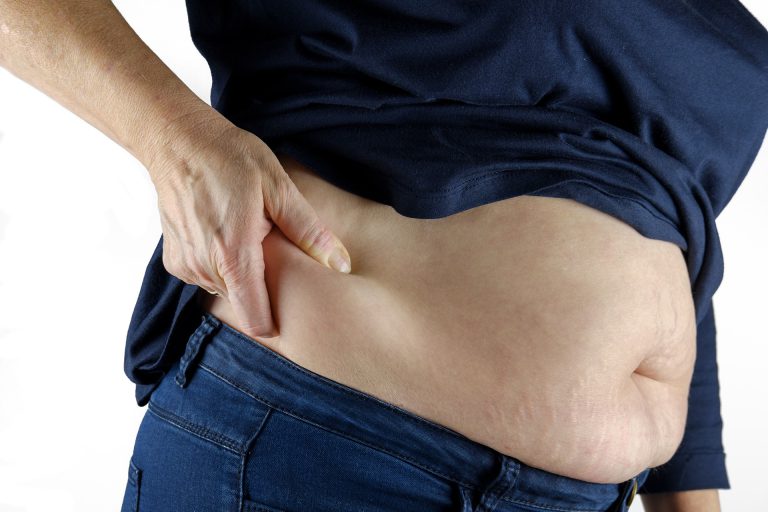
fatigue and a tired feeling, a sensation of lacking energy. sudden and unexplained weight gain or experiencing much difficulty losing weight. constipation, dry and brittle skin and hair, increases sensitivity to cold, pain in joints or muscles, hoarseness of voice as a result of an enlarged thyroid gland (also known as goiter), difficulty in concentrating, weak memory, mood swings or a sensation of depression, puffy and swollen face and limbs and at times all over, frequent and sever muscle cramps, menstrual changes and delayed or irregular menses, confusion of mind, increased blood cholesterol levels, loss of hair, high blood pressure, shortness of breath to name a few.
Since hypothyroidism is known to develops slowly and gradually, we often tend to miss the symptoms of thyroid disorder for months or sometimes even for years.
Additionally, many symptoms, like fatigue and weight gain are common and do not necessarily indicate towards a thyroid disorder.
How to Manage and Prevent Hypothyroidism and keep the Thyroid Healthy
Hypothyroidism can be managed and prevented by some simple lifestyle and dietary changes
1. Consume Iodine
Our body produces the thyroid hormones in the thyroid gland by utilizing Iodine consumed via food. A deficiency of iodine will result in decreased production of T3 and T4 thus resulting in Hypothyroidism. Ensuring that this essential micro-nutrient is consumed in our diet will prevent the development of Hypothyroidism.
Iodised salt, sea food like cod, tuna, shrimp, dairy products, egg yolk, seaweed, dairy products especially milk and yogurt and vegetables grown in iodine rich soil are good sources of this micro-nutrient.
Excess consumption of iodine may also prove harmful; hence it is advised to consume it in moderation.
2. Avoid Soy and Soy Products
Soy is known to contain certain compounds called phytoestrogens. Phytoestrogens tend to interfere with thyroid hormone production and absorption in some individuals. Soybeans, tofu, soy milk, and soy-based processed foods must be consumed in moderation to prevent development of thyroid disorders and must be completely avoided or minimally consumed in cases of hypothyroidism.
3. Cruciferous Vegetables
Certain vegetables like broccoli, cauliflower, kale, and cabbage contain goitrogens(Goitrogensinterfere with the thyroid function by restricting iodine uptake or thyroid hormone production). While these are healthy foods and should not be completely avoided a through cooking of these vegetables may curb their goitrogenic effects.
4. Caffeine
Caffeine consumed in large quantities can interfere with the absorption and utilization of the thyroid hormone, potentially exacerbating thyroid issues.
5. Alcohol
Alcohol when consumed in excess tends to disrupt thyroid hormone synthesis and conversion, thus affecting the thyroid function.
6. Gluten
Gluten sensitivity is occasionally observed in individuals with thyroid disorder. This can exacerbate inflammation and thyroid issues.
7. Avoid Processed and Fried Foods
Unhealthy fats, sugars, and additives found in highly processed foods may negatively impact the thyroid health and overall well-being of an individual. Whole foods on the other hand provide the essential nutrients and fiber that helps with the metabolism and smooth functioning of the body.
8. Avoiding Excessive Sugar Intake
Sugar consumed in large quantities especially in the forms of beverages and sweet foods can bring about inflammation and cause metabolic imbalances, potentially affecting the thyroid function.
9. Processed Meat
Preservatives and additives found in processed food can contribute to inflammation and may end up negatively impacting thyroid health.
10. Fast Food
Unhealthy fats, high sodium, and excessive sugars found in fast foods contribute to inflammation and metabolic imbalances in children as well as adults.
11. Artificial Sweeteners
Some studies suggest that artificial sweeteners and artificial sugar substitutes might interfere with thyroid function.
It is essential to remember that the individual responses vary from person to person for these and all other foods. One might tolerate certain foods better than the other. It is thus recommended that you consult with a medical professional or a registered dietician for a better and more suited diet plan as per your individual needs.
Author Bio: Dr. Srishti Mahajan is one of the best homeopathic doctor in delhi ncr with over a decade of clinical experience. She earned her BHMS from Nehru Homeopathic Medical College, MD from Bakson Homeopathic Medical College, and PhD from Homeopathy University, Jaipur. As an ACE-certified Fitness Nutrition Specialist, she integrates nutrition into her holistic treatment approach.