Aging is a natural part of life, but the way we care for our skin every day can significantly influence how our skin looks and feels over time. Healthy aging is not about chasing perfection — it’s about maintaining strong, nourished, and resilient skin through consistent daily habits.
Research continues to show that lifestyle choices such as sun protection, hydration, nutrition, sleep, and stress management play a major role in skin health and premature aging. Simple daily skincare practices can help protect collagen, maintain skin elasticity, and support a naturally healthy glow.
Below are 7 evidence-based skincare habits that promote healthy aging while supporting overall wellness.
Why Daily Skincare Habits Matter for Healthy Aging
Skin naturally changes with age. Collagen production gradually declines, skin becomes thinner, and environmental stressors such as ultraviolet (UV) exposure, pollution, and poor lifestyle habits can accelerate visible aging.
According to the American Academy of Dermatology, daily sun protection, gentle skincare, and healthy lifestyle practices are among the most effective ways to reduce premature skin aging.
Healthy aging skincare is less about complicated routines and more about consistency.
1. Protect Your Skin From Sun Damage Daily
Sunscreen Is One of the Most Important Anti-Aging Tools
Research consistently identifies UV exposure as one of the leading causes of premature skin aging, including wrinkles, dark spots, and loss of elasticity. Daily sunscreen use can significantly reduce visible signs of aging.
Healthy Sun Protection Habits
- Use broad-spectrum SPF 30 or higher daily
- Apply sunscreen even on cloudy days
- Wear hats and protective clothing outdoors
- Reapply sunscreen during prolonged sun exposure
The American Academy of Dermatology recommends sunscreen as a foundational step in any anti-aging skincare routine.
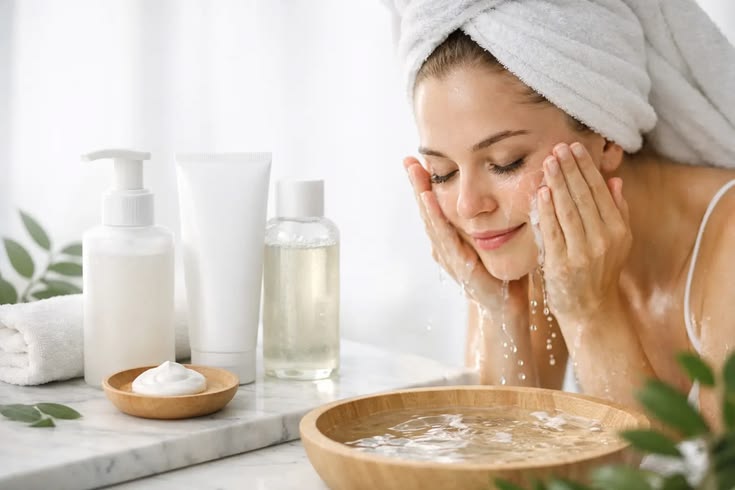
2. Cleanse Your Skin Gentle
Over-cleansing or using harsh products can weaken the skin barrier and contribute to dryness and irritation.
Dermatologists recommend using a gentle cleanser twice daily to remove dirt, excess oil, and environmental pollutants without stripping the skin’s natural moisture [Medical News Today].
Tips for Gentle Cleansing
- Avoid hot water
- Choose fragrance-free cleansers when possible
- Pat skin dry instead of rubbing
- Avoid excessive exfoliation
A healthy skin barrier helps the skin retain hydration and better defend against environmental stressors.
3. Keep Your Skin Hydrated
Hydration plays an important role in maintaining skin elasticity and reducing the appearance of fine lines.
Moisturizers containing ingredients such as hyaluronic acid and glycerin may help the skin retain moisture and appear smoother [Medical News Today].
Daily Hydration Habits
- Apply moisturizer after cleansing
- Drink enough water throughout the day
- Use a humidifier in dry environments
- Avoid excessive alcohol-based skincare products
Well-hydrated skin often appears healthier, softer, and more resilient.
4. Use Antioxidants to Support Skin Health
Oxidative stress caused by pollution, UV exposure, and lifestyle factors contributes to premature skin aging.
Research suggests that antioxidants such as vitamin C, vitamin E, flavonoids, and carotenoids may help protect skin cells from oxidative damage [PMC].
Antioxidant-Rich Skincare and Foods
Topical Antioxidants
- Vitamin C serums
- Vitamin E products
- Niacinamide-based skincare
Antioxidant Foods
- Berries
- Leafy greens
- Nuts and seeds
- Colorful vegetables
Healthy skin is often supported from both the inside and outside.
5. Consider Retinoids Carefully
Retinoids and retinol are widely recommended ingredients for supporting healthy skin aging. They may help improve skin texture, promote cell turnover, and reduce the appearance of fine lines.
Safe Retinoid Habits
- Start slowly to minimize irritation
- Use only at night
- Always pair with sunscreen during the day
- Moisturize regularly
The American Academy of Dermatology advises introducing retinoids gradually and using sun protection consistently.
6. Prioritize Sleep and Stress Management
Your skin reflects your overall health and lifestyle habits. Chronic stress and inadequate sleep may increase inflammation and negatively affect skin health.
Research in holistic dermatology highlights the importance of sleep quality, stress management, and healthy lifestyle habits for maintaining skin integrity [Research Gate].
Healthy Lifestyle Habits for Better Skin
- Aim for consistent sleep schedules
- Practice stress-reduction techniques
- Stay physically active
- Avoid smoking and excessive alcohol consumption
Healthy aging begins with caring for the body as a whole.
7. Nourish Your Skin Through Nutrition
Nutrition plays a significant role in skin appearance and long-term skin health.
Scientific reviews suggest that vitamins, antioxidants, healthy fats, and plant compounds may support skin resilience and reduce oxidative stress associated with aging [PMC].
Skin-Friendly Foods
- Fatty fish rich in omega-3s
- Fruits and vegetables
- Nuts and seeds
- Green tea
- Whole grains
A nutrient-rich diet supports wellness from within.
Common Habits That May Accelerate Skin Aging
Avoiding certain habits can be just as important as maintaining healthy skincare practices.
Habits to Limit
- Excessive sun exposure
- Smoking
- Poor sleep habits
- Chronic stress
- High-sugar diets
- Overusing harsh skincare products
Small daily choices often have long-term effects on skin health.
Healthy aging skincare is not about perfection or expensive routines. Consistent daily habits — including sun protection, hydration, balanced nutrition, quality sleep, and gentle skincare — can help support stronger, healthier skin over time.
By focusing on sustainable self-care practices, you can support your skin’s natural resilience while promoting overall wellness and confidence at every age.