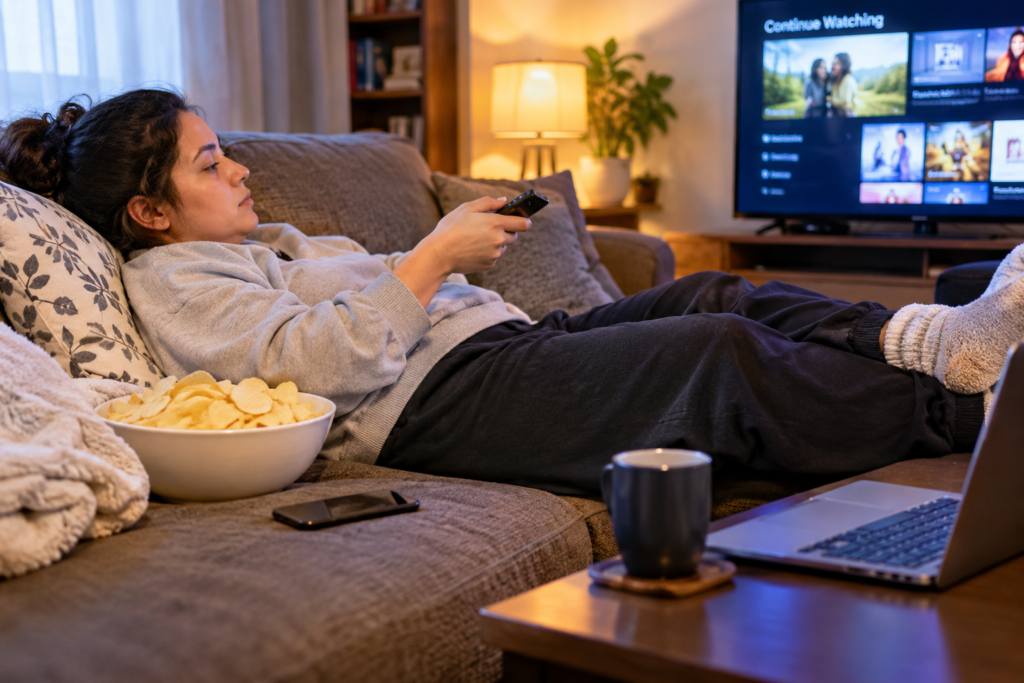
In today’s technology-driven world, sitting for hours has become an ordinary part of life. From working at a desk and commuting in vehicles to watching television and scrolling through smartphones, many of our daily activities involve very little movement.
Although these habits may seem harmless, a growing body of scientific research links prolonged sedentary behaviour and insufficient physical activity with an increased risk of chronic diseases, including cardiovascular disease and type 2 diabetes.
The World Health Organization (WHO) reported in 2024 that approximately 31% of adults worldwide—around 1.8 billion people—were not meeting recommended physical activity levels. The problem is also widespread among adolescents, with approximately 80% failing to meet recommended activity levels.
These figures highlight an important public health concern: modern life makes it increasingly easy to move less than our bodies need.
The good news? You don’t necessarily need an expensive gym membership or an intense workout routine to begin making a difference. Small, consistent changes that help you sit less and move more can support better health over time.
Let’s explore the science behind sedentary living, its potential health consequences, and practical ways to build a more active lifestyle.
Our Bodies Are Designed to Move
The human body is remarkably adapted for movement. Our muscles, bones, joints, heart and lungs work together to help us walk, lift, stretch, balance and perform everyday activities.
Regular physical activity supports these systems in several ways.
It supports cardiovascular health. Physical activity challenges the heart and circulatory system, helping improve cardiovascular fitness and supporting healthy blood pressure.
It strengthens muscles and bones. Activities such as resistance training, walking and climbing stairs help maintain muscular strength, physical function and bone health.
It helps regulate blood sugar. Contracting muscles use glucose for energy. Regular movement improves the body’s ability to manage blood glucose and can support the prevention and management of type 2 diabetes.
It supports mental well-being. Research links regular physical activity with fewer symptoms of anxiety and depression, better cognitive health and improved overall well-being.
It promotes better sleep. Regular activity can help improve sleep quality and support a healthier sleep routine.
According to the WHO, physical activity contributes to the prevention and management of several noncommunicable diseases and offers important benefits for both physical and mental health. Read the WHO’s evidence-based overview of physical activity and its health benefits.
Physical activity is therefore not simply a way to lose weight or build muscle. It is an essential part of maintaining health throughout life.
Technology’s Grip on Our Daily Lives
Technology has made communication, work and entertainment more convenient than ever. However, many modern conveniences have also reduced the amount of movement built into our everyday routines.
Consider a typical day:
- Sitting at a desk for several hours while working.
- Using a car, bus or other motorised transport instead of walking.
- Eating meals while seated.
- Spending leisure time watching television or browsing social media.
- Remaining seated for extended periods while gaming or using a computer.
Individually, these activities are not necessarily harmful. The concern arises when sitting occupies a large part of the day and leaves little time for physical activity.
Remote work, screen-based entertainment and increasingly automated routines can make prolonged sitting especially common.
Technology itself is not the enemy. The challenge is to use it in ways that support our lives without allowing it to replace movement entirely.
Taking a walking break between meetings, choosing the stairs when practical or stepping away from a screen during leisure time can help restore some movement to an otherwise sedentary day.
Sedentary Behaviour vs Physical Inactivity: What’s the Difference?
Although these terms are often used interchangeably, they describe different behaviours.
Sedentary behaviour refers to activities performed while sitting, reclining or lying down when awake, with very low energy expenditure.
Examples include sitting at a computer, watching television or travelling in a vehicle.
Physical inactivity means not achieving the recommended amount of physical activity.
A person may exercise regularly and still spend much of the remaining day sitting. Conversely, someone who does not follow a formal exercise routine may still accumulate meaningful movement through walking, household chores, gardening and active transport.
Understanding this distinction matters because good health involves both getting enough physical activity and reducing excessive sedentary time.
The WHO recommends limiting sedentary behaviour and replacing sitting time with physical activity of any intensity, including light-intensity movement. Explore the WHO Guidelines on Physical Activity and Sedentary Behaviour.
The Health Risks of a Sedentary Lifestyle
Prolonged sitting and insufficient physical activity are associated with several health risks. Although individual outcomes depend on factors such as age, genetics, diet, smoking, sleep and existing health conditions, research consistently supports the importance of regular movement.
1. Increased Risk of Heart Disease and Stroke
The cardiovascular system benefits from regular physical activity. When movement is consistently limited, people may miss out on the benefits that exercise provides for cardiovascular fitness, blood pressure and metabolic health.
Studies demonstrate that sedentary behaviour increases the risk of cardiovascular disease (CVD).The risk is further heightened by smoking and high cholesterol, highlighting the importance of reducing sitting time and increasing physical activity, especially among high-risk groups. [The Association Between Sedentary Behavior and Cardiovascular Disease Risk: An Analysis]
A sedentary lifestyle may also contribute indirectly to cardiovascular risk by promoting weight gain and worsening metabolic health.
2. Higher Risk of Type 2 Diabetes
Physical activity plays an important role in blood glucose regulation.
When muscles contract during movement, they use glucose for energy. Regular physical activity also improves insulin sensitivity, helping the body use insulin more effectively.
Prolonged sedentary behaviour and insufficient physical activity can contribute to an unfavourable metabolic profile, particularly when combined with other risk factors such as excess body fat and an unhealthy diet.
A examined evidence on sedentary behaviour and health outcomes, supporting concerns about the relationship between prolonged sitting, metabolic disease and type 2 diabetes.
Prolonged sedentary behaviour and insufficient physical activity can contribute to an unfavourable metabolic profile, particularly when combined with other risk factors such as excess body fat and an unhealthy diet.[systematic review and dose-response meta-analysis published in the European Journal of Epidemiology]
Breaking up sitting time with short periods of movement, alongside regular exercise and a balanced diet, can be a useful part of a diabetes-prevention strategy.
3. Weight Gain and Obesity
Movement contributes to daily energy expenditure. When people spend much of their day sitting and consume more energy than their bodies use, maintaining a healthy weight can become more difficult.
Sedentary behavior and physical inactivity may increase the risk of obesity [Science Direct: A systemic review]
Obesity itself is associated with an increased risk of several chronic conditions, including type 2 diabetes, cardiovascular disease and certain cancers.
The solution is not simply to exercise to burn calories. A sustainable approach combines regular movement, nutritious eating, adequate sleep and habits that support long-term health.
4. Muscle Weakness and Reduced Physical Function
Muscles adapt to the demands placed on them. When physical activity is consistently limited, muscle strength, endurance and physical capacity may gradually decline.
Long periods of inactivity can also contribute to stiffness and discomfort, particularly when people remain in the same position for hours.
Regular walking, stretching, resistance exercises and other forms of movement help maintain strength, mobility and independence.
For older adults, activities that improve strength and balance are especially valuable because they can support everyday function and reduce the risk of falls.
For more information, explore the WHO’s research-backed summary of the mental and physical benefits of activity.
5. Increased Risk of Premature Mortality
One of the most concerning findings in sedentary-behaviour research is the association between high sedentary time and a greater risk of premature death.
A 2019 systematic review and harmonised meta-analysis published in The BMJ examined device-measured physical activity and sedentary time in adults, using data from eight studies involving 36,383 participants.
The researchers found that higher levels of physical activity, including light-intensity activity, were associated with lower all-cause mortality. Greater sedentary time was associated with higher mortality risk.[Dose-response associations between physical activity, sedentary time and all-cause mortality — The BMJ]
These findings do not mean that sitting inevitably causes premature death. The study was observational, so it cannot establish cause and effect on its own. Nevertheless, it reinforces the importance of moving regularly and avoiding unnecessarily prolonged sedentary periods.
What Does Research Recommend for a Healthier, More Active Life?
The WHO provides clear physical activity recommendations for adults.
For substantial health benefits, adults should aim for:
- 150–300 minutes of moderate-intensity aerobic activity per week, such as brisk walking or cycling.
- Alternatively, 75–150 minutes of vigorous-intensity aerobic activity per week, or an equivalent combination of moderate and vigorous activity.
- Muscle-strengthening activities involving all major muscle groups on at least two days per week.[2]
These recommendations are targets to work towards, not reasons to avoid starting if you currently do very little exercise.
The WHO also recommends limiting sedentary time. It does not establish one universal daily sitting-time threshold that is safe for everyone, because the evidence varies by health outcome and individual activity level.
An important principle is that some movement is better than none, and more movement can provide additional benefits.
If you have a chronic medical condition, mobility limitations or concerns about starting exercise, seek advice from a qualified healthcare professional about appropriate activities.
For the complete recommendations, read the WHO Guidelines on Physical Activity and Sedentary Behaviour.
10 Practical Ways to Break Free from Inactivity
The most sustainable approach to reducing sedentary behaviour is to make movement a natural part of everyday life.
1. Take Regular Movement Breaks
If your work involves sitting for long periods, set a reminder to stand up and move around periodically.
Walk around your home or office, stretch gently or perform a few comfortable movements before returning to work.
There is no single scientifically established break interval that suits everyone. The goal is to avoid remaining seated for unnecessarily long, uninterrupted periods.
2. Make Walking Part of Your Daily Routine
Walking is accessible, requires little equipment and can be adapted to different fitness levels.
Consider taking a short walk after meals, walking while speaking on the phone or choosing a walking route for short errands when practical.
Even brief walks can help increase your total daily activity.
3. Choose the Stairs When Appropriate
Taking the stairs instead of an elevator is a simple way to incorporate movement into your day.
Start with a manageable number of floors and increase gradually as your fitness improves. Use the elevator when needed for safety, accessibility or comfort.
4. Create an Active Work Environment
If you work at a desk, alternate sitting with standing or walking where practical.
You could take walking breaks between meetings, stand while reading a short document or move around during suitable phone calls.
Standing desks can be helpful for some people, but standing still for long periods is not a complete substitute for physical activity. Changing positions and moving regularly are more useful goals.
5. Find an Activity You Enjoy
Exercise does not have to mean spending hours in a gym.
Try brisk walking, dancing, cycling, swimming, yoga, gardening or a recreational sport.
Choosing activities that fit your interests, abilities and schedule can make it easier to remain consistent.
6. Incorporate Strength Training
Muscle-strengthening activities help maintain strength and everyday physical function.
Depending on your fitness level, options may include resistance bands, body-weight exercises, weight training or suitable yoga poses.
Begin at a comfortable level and increase the challenge gradually, allowing time for recovery.
7. Reduce Unnecessary Screen Time
Digital devices can make leisure time unintentionally sedentary.
Consider setting boundaries around recreational screen use, taking movement breaks during television programmes or replacing some scrolling time with a walk, hobby or outdoor activity.
The aim is not to eliminate technology but to create a healthier balance.
8. Make Household Chores More Active
Everyday tasks such as cleaning, sweeping, gardening and tidying can add movement to your routine.
These activities may contribute to overall physical activity, although their intensity varies. They are useful opportunities to move more, especially when combined with activities that improve aerobic fitness and muscle strength.
9. Set Small, Achievable Goals
If you have been inactive for a long time, attempting a demanding exercise routine immediately may be difficult to sustain.
Instead, start with manageable goals, such as taking a five-minute walk, standing up more often or adding a short walk to your lunch break.
As the habit becomes easier, gradually increase the duration or frequency of your activity.
10. Make Movement a Shared Habit
Invite a friend or family member to walk with you, join a local activity group or schedule regular outdoor time together.
Social support can make physical activity more enjoyable and help you stay consistent.
Remember that progress does not have to be dramatic. Small actions repeated over time can help build a lasting active lifestyle.
A Simple Daily Movement Plan for Beginners
You do not need to change your entire lifestyle overnight. Start by identifying opportunities to move more throughout your day.
Morning: Begin with a comfortable walk or gentle mobility exercises.
During work: Break up long sitting periods with brief standing, stretching or walking breaks.
After meals: Take a short walk when practical.
Evening: Choose an activity you enjoy, such as cycling, dancing, gardening or a suitable workout.
Before bed: Reduce unnecessary recreational screen time and maintain a relaxing bedtime routine.
This is a flexible starting point rather than a prescribed exercise programme. Adjust it to your schedule, ability and health needs, and gradually work towards the recommended weekly activity levels.
Your Journey to a Healthier, More Active You
A sedentary lifestyle can develop gradually. A few extra hours at a desk, a little less walking and more screen time may not seem significant in isolation. Over time, however, these habits can displace the movement that supports good health.
You can begin by standing up more often, taking the stairs when appropriate, walking after meals or choosing an enjoyable physical activity. These small changes can help reduce sedentary time and build momentum towards a healthier routine.
Remember that physical activity and sedentary behaviour are related but distinct. Even if you exercise regularly, it is worth looking for opportunities to interrupt long periods of sitting.
Your body benefits from regular movement, and your future health is shaped in part by the habits you practise today.
Start small. Move more. Sit less. Make movement a natural part of your everyday life.
Research References:
1. World Health Organization. Physical activity. Fact sheet, 26 June 2024. Includes global estimates of physical inactivity and evidence on the health benefits of physical activity.
2. World Health Organization. WHO Guidelines on Physical Activity and Sedentary Behaviour. 2020. Evidence-based recommendations for adults, children, adolescents and older adults.
3. Patterson R, McNamara E, Tainio M, et al. Sedentary behaviour and risk of all-cause, cardiovascular and cancer mortality, and incident type 2 diabetes: a systematic review and dose response meta-analysis. European Journal of Epidemiology. 2018;33:811–829.
4. Ekelund U, Tarp J, Steene-Johannessen J, et al. Dose-response associations between accelerometry measured physical activity and sedentary time and all cause mortality: systematic review and harmonised meta-analysis. BMJ. 2019;366:l4570.
5. PMC. National Library of Medicine. The Association Between Sedentary Behavior and Cardiovascular Disease Risk: An Analysis Based on NHANES Data. 2026 Apr 6