
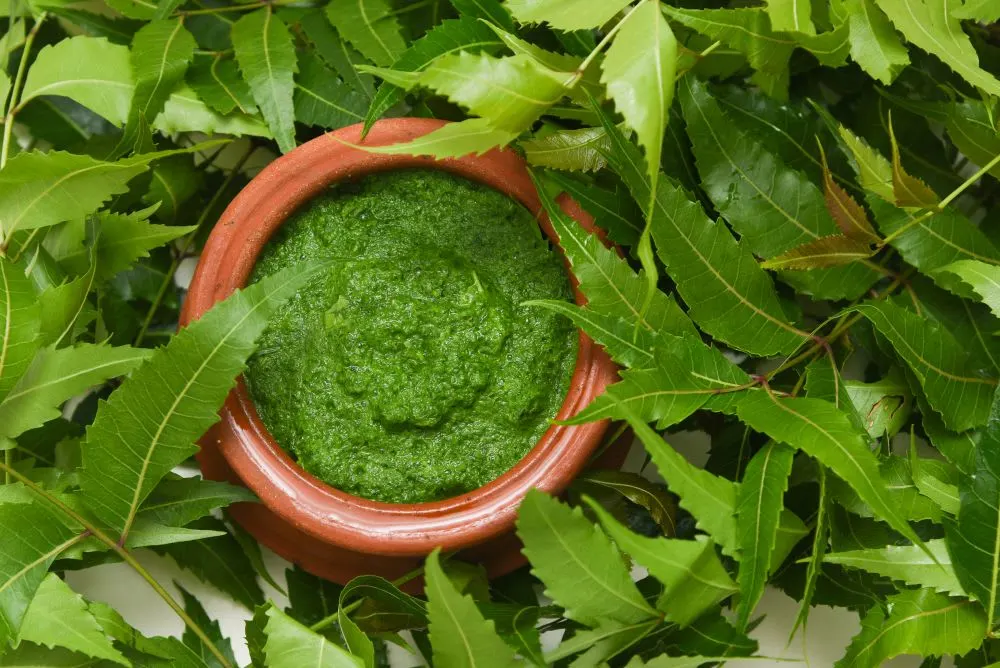
The remarkable medicinal plant Azadirachta indica, commonly known as neem, has been revered for centuries in traditional healing systems. Today, modern science is rediscovering its immense therapeutic potential. Often referred to as a “village pharmacy” and a “natural remedy for numerous illnesses,” neem is gaining global recognition for its pharmacological properties and role in evidence-based medicine. (PMC)
This article explores the research-backed medicinal uses, bioactive compounds, and modern clinical relevance of neem, making it a powerful bridge between traditional wisdom and contemporary healthcare.
Phytochemical Power: What Makes Neem Medicinal?
Neem’s therapeutic value lies in its rich composition of bioactive compounds. Scientific studies have identified key constituents such as:
- Azadirachtin
- Nimbidin
- Nimbin
- Nimbolide
- Quercetin
- Salannin
These compounds belong to groups like flavonoids, limonoids, triterpenes, and phenolics, all known for their biological activity. (PMC)
These phytochemicals are responsible for neem’s wide-ranging medicinal effects, including antimicrobial, anti-inflammatory, and antioxidant actions.
Core Medicinal Properties of Neem
1. Antioxidant and Anti-Inflammatory Effects
Neem contains powerful antioxidants that help neutralize free radicals, reducing oxidative stress—a key factor in aging and chronic diseases. Its anti-inflammatory properties further support its use in conditions like arthritis and inflammatory disorders. (PMC)
2. Antimicrobial and Antifungal Activity
Neem exhibits strong antibacterial, antiviral, and antifungal properties. Research shows it can inhibit the growth of harmful microorganisms, making it effective in treating:
- Skin infections
- Oral diseases (like gingivitis)
- Fungal conditions
This explains its widespread use in herbal toothpaste, soaps, and skincare formulations. (PMC)
3. Antidiabetic and Metabolic Benefits
Neem has demonstrated antihyperglycemic effects, helping regulate blood sugar levels. Studies suggest it may improve insulin sensitivity, making it a promising natural adjunct in diabetes management. (PMC)
4. Immunomodulatory Effects
Neem helps modulate the immune system, enhancing the body’s defense mechanisms. This makes it valuable in preventing infections and supporting overall immunity. (PMC)
5. Anticancer Potential
Emerging research highlights neem’s anticancer properties. Certain compounds like nimbolide have shown potential in inhibiting tumor growth and inducing apoptosis (programmed cell death) in cancer cells. (PMC)
6. Gastroprotective and Anti-Ulcer Effects
Neem extracts have been found to protect the stomach lining and reduce ulcer formation. Its anti-ulcer activity is linked to both antimicrobial and anti-inflammatory mechanisms. (PMC)
Neem in Modern Medical Applications
1. Dermatology
Neem is widely used in modern dermatology for treating:
- Acne
- Eczema
- Psoriasis
- Wound healing
Its antimicrobial and anti-inflammatory properties make it ideal for skin health formulations.
2. Dentistry and Oral Care
Neem-based products are commonly used in oral hygiene due to their ability to:
- Reduce plaque
- Prevent gum disease
- Kill harmful oral bacteria
Traditional practices like using neem twigs as toothbrushes have now evolved into clinically supported herbal dental care solutions. (PMC)
3. Antimalarial Research
Neem extracts have shown activity against Plasmodium falciparum, including drug-resistant strains. Studies indicate that neem compounds may interfere with parasite growth and transmission, offering potential for new antimalarial therapies. (PMC)
4. Neurological and Pain Management
Research suggests neem may have neuroprotective effects by reducing oxidative stress and inflammation in nerve tissues. It has shown promise in managing neuropathic pain and improving nerve function in experimental studies. (PMC)
5. Hepatoprotective and Cardiovascular Support
Neem has demonstrated protective effects on the liver and may help regulate lipid levels and blood pressure, contributing to overall cardiovascular health. (PMC)
Role in Integrative and Herbal Medicine
Neem continues to play a vital role in integrative medicine systems such as Ayurveda, Unani, and homeopathy. Modern medicine is increasingly incorporating neem extracts into:
- Herbal supplements
- Functional foods
- Pharmaceutical research
Its affordability, accessibility, and multi-targeted action make it especially valuable in preventive healthcare.
Safety and Considerations
While neem offers significant health benefits, scientific literature emphasizes the importance of:
- Proper dosage
- Standardized extracts
- Clinical validation
Excessive or unregulated use may lead to adverse effects, highlighting the need for further clinical trials and safety assessments. (PMC)
Future Scope in Modern Medicine
Neem’s vast pharmacological profile makes it a promising candidate for:
- Drug development
- Natural antibiotics
- Chronic disease management
Ongoing research aims to isolate and standardize its active compounds for targeted therapeutic applications.
Neem stands as a powerful example of how traditional knowledge can align with modern scientific research. With its diverse bioactive compounds and wide-ranging medicinal properties, Azadirachta indica is not just a traditional remedy but a scientifically validated therapeutic resource.
As research continues to unfold, neem is poised to play an increasingly significant role in modern medicine—truly living up to its title as the “miracle herb.”
Research References:
PubMed Central. National Library of Medicine. Food Science and Nutrition.